Infection Control Risk Assessments: Protecting Patients During Healthcare Construction

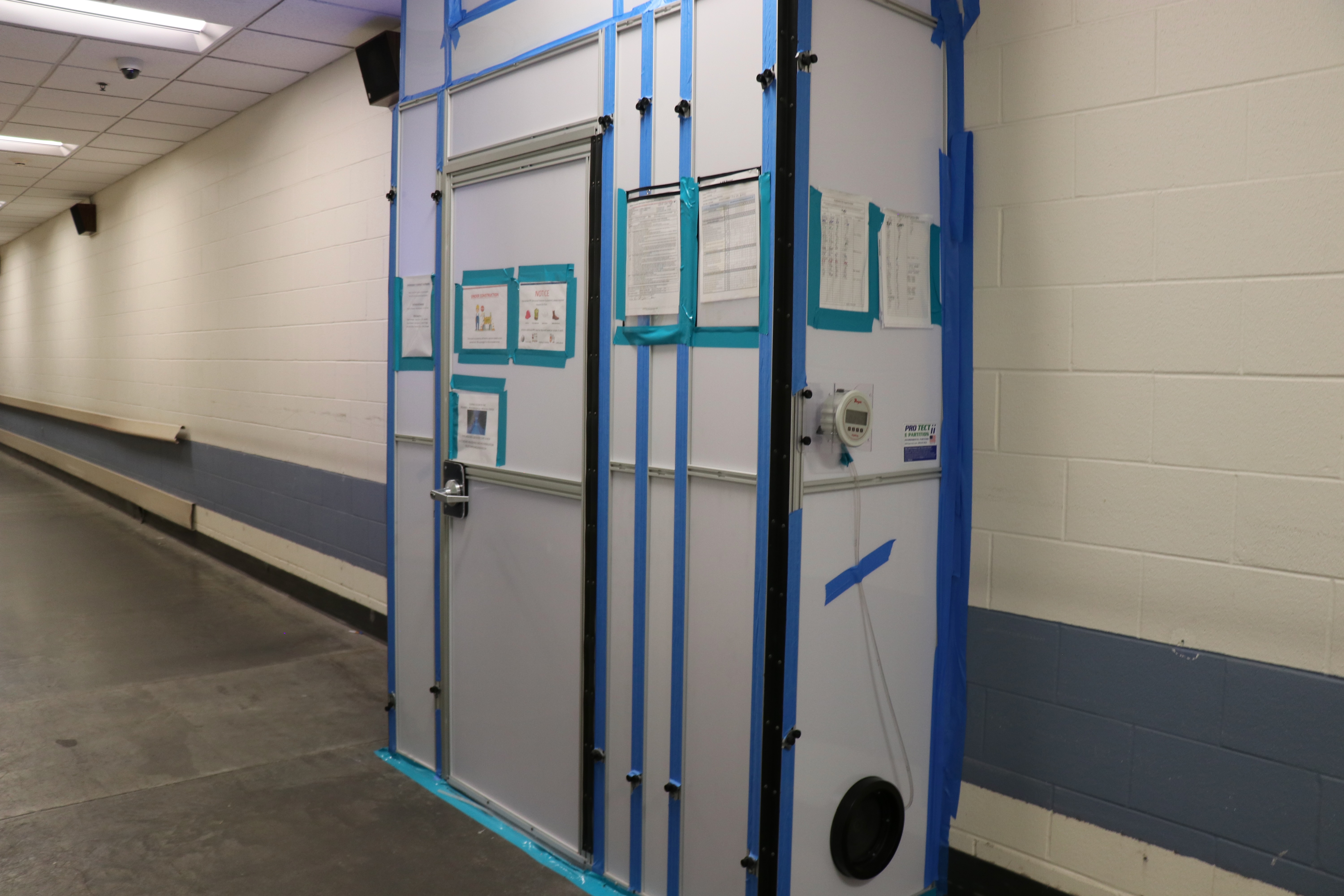
When ESA South, Inc. undertakes construction or renovation projects within hospitals and other critical care environments, strict adherence to Infection Control Risk Assessment (ICRA) protocols is non‑negotiable. ICRA compliance is not only contractually required by many of our federal clients—it is essential to protecting vulnerable patient populations who are especially susceptible to airborne contaminants, dust, and pathogens that can be introduced during construction activities.
Failure to properly implement ICRA measures can result in healthcare‑associated infections (HAIs), regulatory violations, work stoppages, poor CPARS evaluations, and lasting reputational damage. For ESA South, effective infection control is both a responsibility and a standard.
ESA South is currently performing work in and around multiple healthcare facilities across the continental United States. In every one of these environments, ICRA protocols are actively implemented by our project teams to ensure patient safety is never compromised.
ICRA provides a structured framework for evaluating the risks that construction activities may pose to patients, staff, and visitors. The assessment determines the appropriate level of precautions required based on the scope of work and the sensitivity of adjacent clinical areas. Whether the project involves minor maintenance or major demolition, strict compliance with ICRA guidelines allows work to proceed efficiently while safeguarding healthcare operations.
Successful ICRA implementation begins well before construction starts. Prior to mobilizing at any occupied healthcare facility, ESA South project teams and subcontractors collaborate closely with hospital infection control professionals and government contracting officers to conduct a comprehensive risk assessment. This process establishes the project classification and required mitigation strategies, which may include containment barriers, negative air pressure systems, HEPA filtration, and specialized worker protocols.
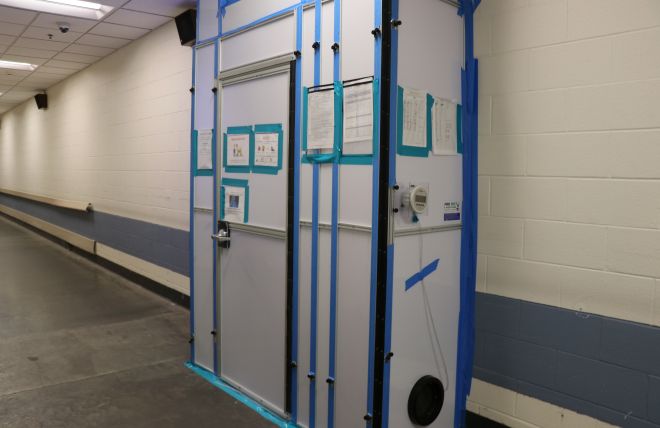
Proper containment is among the most critical components of infection control. Construction zones within occupied facilities must be fully sealed using airtight barriers to prevent the spread of dust and airborne contaminants. Negative air machines equipped with HEPA filters are commonly used to manage airflow and capture particulates. Designated entry and exit points—such as anterooms and zip wall systems—are also employed to reduce the risk of cross‑contamination.
Equally important is workforce training and accountability. All ESA South personnel working in occupied healthcare environments receive training on ICRA requirements, including the proper use of personal protective equipment (PPE), safe debris handling, and infection prevention best practices. Routine inspections and ongoing monitoring throughout the project lifecycle ensure continuous compliance and allow for immediate correction of any deficiencies.
Clear and consistent communication is the final cornerstone of effective ICRA execution. ESA South maintains regular coordination with hospital staff, infection control teams, and contracting authorities to minimize operational disruptions and ensure patient care remains uninterrupted.
In healthcare construction, ICRA protocols are more than regulatory requirements—they are lifesaving measures. At ESA South, Inc., infection control is integral to delivering safe, high‑quality projects while upholding the trust placed in us by healthcare providers and the communities they serve.