Elevator Modernization in Active Healthcare Facilities

What It Takes to Deliver Without Disrupting Operations
Elevators are essential infrastructure in healthcare facilities. They support patient movement, staff operations, emergency response, and the daily function of the building itself. When elevator systems reach the end of their service life, modernization becomes unavoidable—but in active medical environments, the work must be planned and executed without interrupting care.
In these settings, success is not defined by equipment replacement alone. It is defined by how well the work is planned, coordinated, and controlled while the facility remains fully operational.
In this article, we will discuss the foundational considerations that drive successful elevator modernization in active healthcare facilities, then share how those principles were applied on a recent project delivered while operations continued. We conclude with a disciplined, repeatable approach that owners and contractors can use when planning similar modernization efforts.
The Reality of Modernizing Elevators in Occupied Facilities
Modernizing elevators in an occupied healthcare facility introduces constraints that do not exist in vacant or low use buildings. Patient flow, staff circulation, infection control, and life safety considerations shape how and when work can occur.
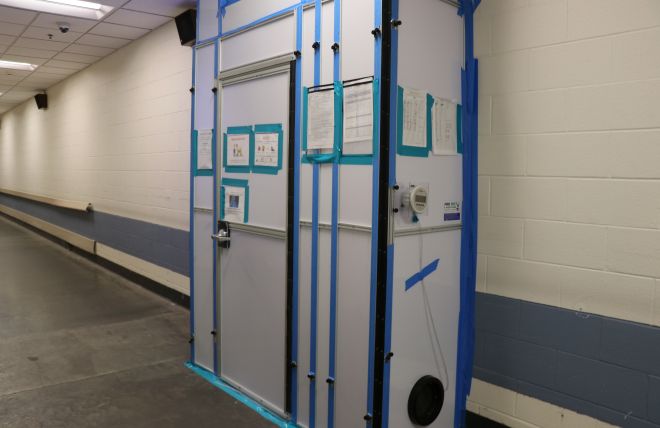
Although much of the elevator work takes place inside shafts or in mechanical spaces, the surrounding environment still matters. Noise, dust, and access pathways must be managed deliberately. Tasks that generate higher noise levels or disruption must be timed carefully, often outside peak hours, to minimize impact to occupants.
Material movement presents another challenge. In active facilities, moving large equipment through public spaces is rarely acceptable. These limitations require alternative logistics planning that protects building operations while still allowing the work to proceed efficiently.
Planning and Phasing as Core Project Controls
Phasing is one of the most critical elements of elevator modernization in active facilities. Elevator availability directly affects how a healthcare building functions, and outages must be carefully controlled.
Effective phasing means:
- Limiting the number of elevators out of service at any given time
- Sequencing demolition, installation, and testing so capacity is maintained
- Coordinating outages well in advance with facility stakeholders
- Maintaining flexibility to adjust sequencing as conditions change
Outage planning is not a one time activity. It requires continuous coordination, clear communication, and a shared understanding of operational priorities.
Managing Technical Complexity and System Interfaces
Elevator modernization is inherently complex, particularly when multiple cars operate as part of a group. Control systems, wiring harnesses, and communication interfaces must be integrated precisely to ensure smooth operation, accurate leveling, and reliable performance.
Control systems are often the most technically demanding component. These systems govern not only movement and ride quality, but also how elevators interact with each other and with building systems. Errors at this level can affect performance across the entire elevator bank.
Coordination with building electrical, fire, and life safety systems adds another layer of complexity. Even when existing infrastructure is sufficient, new wiring, monitoring, and communication systems must be installed and tested to ensure compatibility and compliance.
Code Awareness and Forward Looking Design Decisions
Elevator codes and safety requirements continue to evolve, particularly in healthcare environments where emergency response and communication are critical. Many of these changes affect systems inside the elevator car, including two way communication, video monitoring, and integration with facility networks.
Awareness of current and emerging code requirements early in the project allows teams to make informed decisions during design and installation. In some cases, incorporating newer safety features—even when not strictly required—can support future upgrades and enhance overall system resilience.
This forward looking approach requires coordination between design, construction, and specialty trades to ensure upgrades are integrated cleanly and without unnecessary rework.
Safety, Quality, and Execution Discipline
Elevator modernization introduces specific safety hazards, including fall risks, heavy lifting, and work in confined vertical spaces. Managing these risks requires more than compliance—it requires discipline.
Key safety and quality priorities include:
- Proper equipment for heavy lifts and installation
- Strict control of work zones and barriers
- Deliberate pacing of work to avoid rushed or unsafe conditions
- Continuous inspection of components and installations
Clean, precise workmanship matters. In elevator projects, quality is visible—not just to inspectors, but to building occupants and facility staff. Attention to detail supports smoother inspections, fewer deficiencies, and greater confidence in the finished system.
Applying These Principles in Practice: A Healthcare Modernization Example
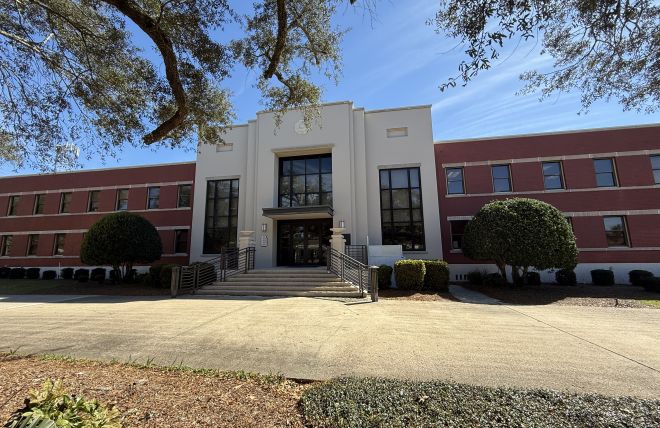
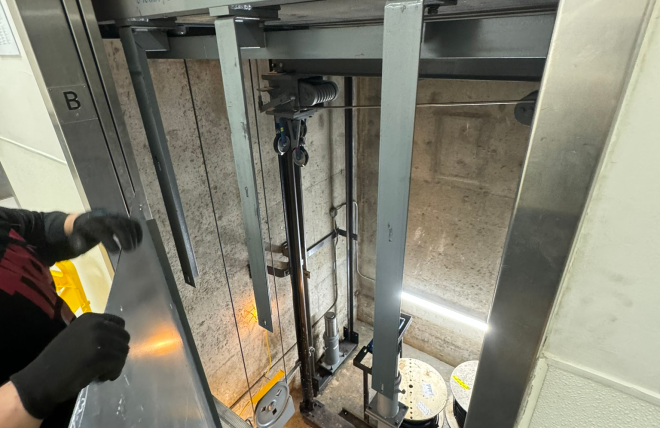
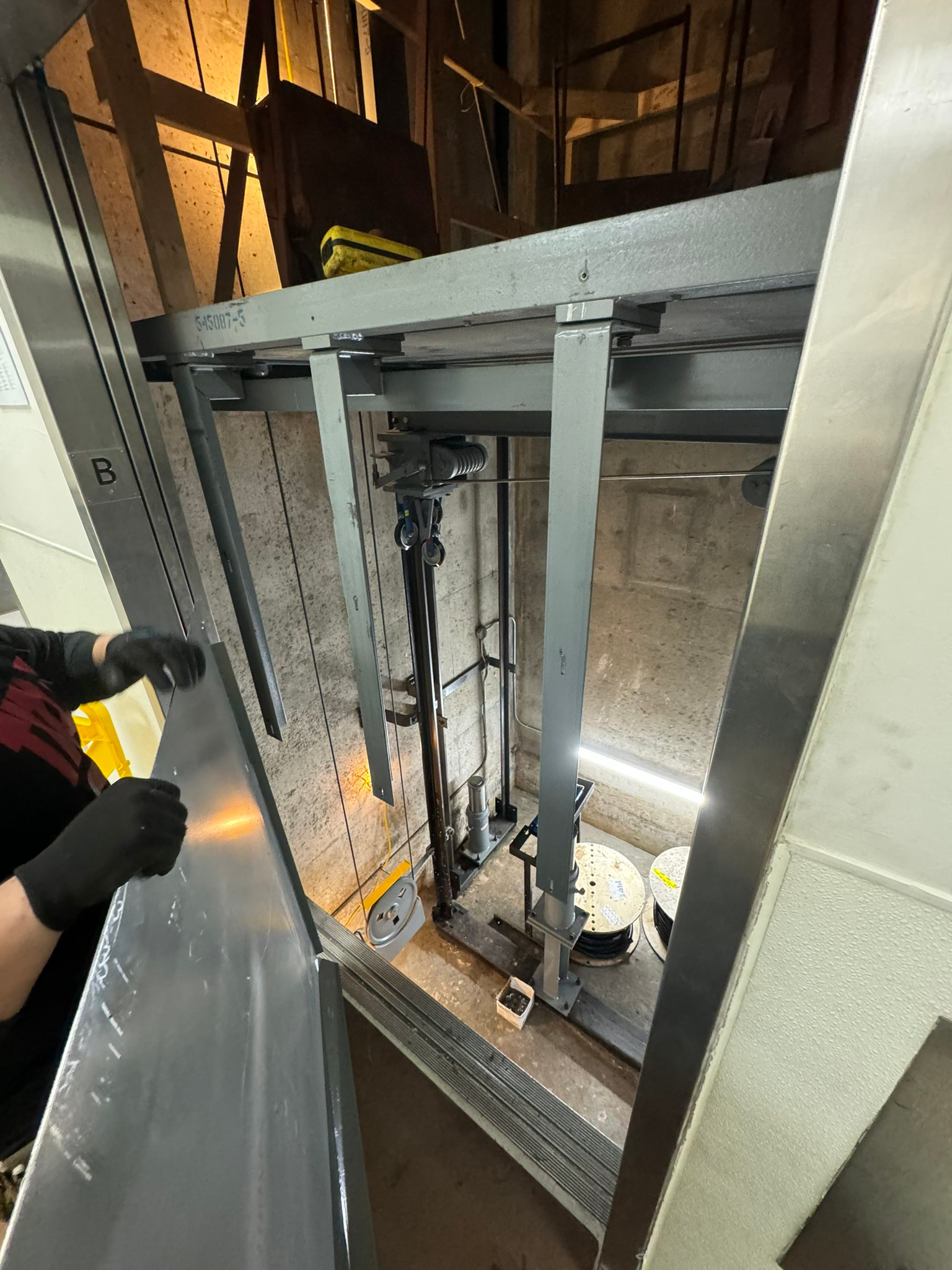
ESA South applied these principles during a recent elevator modernization project at an active medical clinic involving the full modernization of multiple elevators within existing shafts.
From the outset, maintaining building operations shaped how the work was planned and executed.
“The biggest constraint from day one was that the facility was occupied,” said Shawn Hanley, Project Manager at ESA South. “We had to understand how people moved through the building and plan the work so we didn’t obstruct access to the elevators. By phasing the outages and limiting how many elevators were taken out of service at one time, we were able to keep the facility functional while the modernization work moved forward.”
In practice, this meant carefully sequencing elevator outages so capacity was always maintained. Only one service elevator and one passenger elevator were taken out of service at a time, allowing the facility to continue operating without interruption.
Material logistics were also planned to avoid moving large equipment through occupied areas. Major elevator components were delivered and installed via planned rooftop crane lifts, scheduled during weekends when building occupancy was minimal. This approach reduced disruption and eliminated the need to transport equipment through clinical spaces.
From a technical standpoint, the project involved comprehensive system upgrades, including new traction elevator equipment, controls, wiring, car interiors, and shaft pressurization systems. Control systems were replaced and integrated to support smooth operation, precise leveling, and improved reliability across the elevator group.
Safety and quality control were maintained through continuous inspection, disciplined housekeeping, and coordination between ESA South, specialty elevator subcontractors, and facility representatives. Each elevator underwent thorough testing and inspection by a certified inspector before being returned to service, with the next elevator only taken out of service after certification was complete.
The result was a modernized elevator system delivered with a high level of workmanship, safety, and coordination—without interrupting the daily operations of the clinic.
A Disciplined, Repeatable Approach
Elevator modernization in active facilities demands more than technical expertise. It requires planning, communication, and accountability from pre-construction through turnover.
ESA South approaches these projects with a consistent framework:
- Early site investigation and stakeholder coordination
- Detailed planning of phasing, logistics, and risk
- Disciplined execution with safety and quality as priorities
- Clear communication through testing, inspection, and closeout
These principles guide our work in healthcare and other mission critical environments where reliability matters and operations cannot stop.